
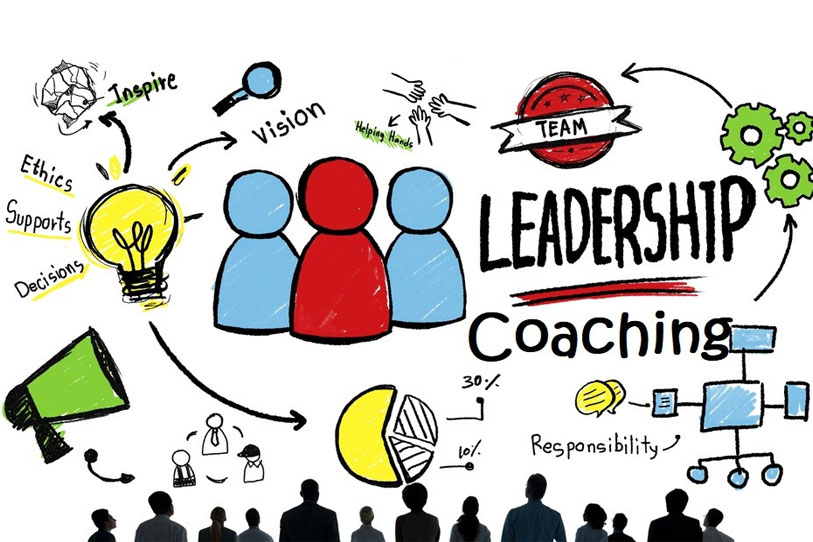
Leadership coaching plays a vital role in helping individuals grow into effective and confident leaders. Rather than offering generic advice, leadership coaching focuses on personal growth, self-reflection, and behavioral change. Leaders work closely with a coach to better understand their leadership style, strengths, and areas for improvement. This process helps leaders become more intentional in how they communicate, make decisions, and influence others.
In modern organizations, leadership is no longer about authority alone. Leaders are expected to inspire, support, and empower their teams. Leadership coaching equips individuals with the skills needed to lead with empathy, clarity, and accountability. Over time, coached leaders tend to build stronger relationships, handle pressure more effectively, and create positive working environments.
Executive Coaching and High-Level Decision Making
Executive coaching is designed for senior leaders who operate Organizational Alignment at a strategic level. Executives face complex challenges that often involve long-term planning, organizational politics, and high-stakes decisions. Executive coaching provides a confidential space where leaders can think critically, test ideas, and gain new perspectives.
At this level, small changes in behavior can have a significant organizational impact. Executive coaching helps leaders refine their communication, manage competing priorities, and align their actions with strategic goals. It also supports executives in balancing performance demands with personal well-being, which is essential for sustainable leadership.
Building Emotional Intelligence in Leaders
Emotional intelligence is a core focus of both leadership and executive coaching. Leaders who understand their emotions and those of others are better equipped to manage conflict, motivate teams, and navigate uncertainty. Coaching helps leaders develop self-awareness, self-regulation, empathy, and social skills.
High emotional intelligence enables leaders to respond thoughtfully rather than react impulsively. This creates a more stable and supportive environment for teams. As leaders become more emotionally intelligent, trust and collaboration naturally improve across the organization.
Team Development as a Continuous Process
Team development goes beyond occasional training sessions. It is an ongoing process that strengthens how teams function together over time. Effective team development addresses communication patterns, decision-making processes, and role clarity within the group.
When teams understand how to work together effectively, productivity and engagement increase. Team development initiatives help teams identify strengths, address challenges, and align around shared objectives. This approach creates teams that are adaptable, resilient, and capable of sustained performance.
Strengthening Collaboration and Accountability
A key outcome of team development is improved collaboration. Teams learn how to leverage diverse perspectives while maintaining mutual respect. Open communication and clear expectations reduce misunderstandings and foster accountability.
Accountability within teams does not rely on control, but on shared ownership. Team development encourages members to take responsibility for outcomes and support one another. This sense of collective responsibility leads to stronger commitment and better results.
Team Building Workshops as Catalysts for Change
Team building workshops offer an experiential approach to improving teamwork. Through structured activities and guided reflection, participants gain insight into how they interact with one another. These workshops highlight communication styles, problem-solving approaches, and group dynamics in a practical way.
When facilitated effectively, team building workshops go beyond surface-level engagement. They help teams address real challenges and build stronger connections. The shared experiences created during workshops often strengthen trust and break down barriers that exist in daily work.
Linking Team Building to Real Work Challenges
The true value of team building workshops lies in their relevance to everyday work. Activities should be intentionally designed to reflect workplace situations such as collaboration under pressure, decision-making with limited information, or navigating change.
By connecting workshop insights to real-world applications, teams are more likely to implement what they learn. This ensures that team building is not just a one-time event, but a meaningful step toward lasting improvement.
Organizational Alignment as the Foundation of Success
Organizational alignment ensures that strategy, structure, culture, and people are working toward the same goals. Without alignment, even highly skilled teams and leaders may struggle to achieve consistent results. Conflicting priorities and unclear direction can undermine performance and morale.
Alignment begins with a clear vision and well-defined goals. Leaders must communicate priorities effectively and ensure that systems and processes support desired outcomes. When alignment is strong, employees understand what matters most and how their work contributes to success.
Leadership’s Role in Driving Alignment
Leaders are the primary drivers of organizational alignment. Their actions, decisions, and communication set the tone for the entire organization. Leadership and executive coaching help leaders align their behavior with strategic objectives and organizational values.
Consistent leadership behavior reinforces alignment across teams. When leaders demonstrate clarity and integrity, employees are more likely to follow suit. This consistency builds trust and creates a sense of stability, even during periods of change.
Integrating Coaching and Team Initiatives
Leadership coaching, executive coaching, team development, and team building workshops are most effective when they are integrated. Treating these initiatives as separate efforts can limit their impact. When aligned, they reinforce one another and create a cohesive development strategy.
Coaching supports individual growth, while team development strengthens collective performance. Organizational alignment ensures that all development efforts are focused on shared goals. This integrated approach maximizes return on investment and accelerates positive change.
Supporting Organizational Change and Growth
Organizations today face constant change, from market shifts to technological advances. Coaching and development initiatives provide essential support during these transitions. Leaders who are coached are better prepared to guide teams through uncertainty with confidence and transparency.
Team development and alignment help employees adapt to new expectations and ways of working. When people feel supported and included, resistance to change decreases. This enables organizations to move forward more smoothly and effectively.
Measuring Progress and Sustaining Impact
To sustain impact, organizations must measure the effectiveness of coaching and development efforts. Feedback from participants, performance indicators, and engagement surveys provide valuable insights. These metrics help identify what is working and where adjustments are needed.
Continuous evaluation allows organizations to refine their approach and ensure relevance over time. A commitment to learning and improvement strengthens leadership capability and organizational resilience.
Creating a Culture of Growth and Learning
When coaching and development are embedded into organizational culture, growth becomes a shared responsibility. Leaders model learning behaviors, teams support one another’s development, and alignment becomes part of daily operations.
This culture of growth encourages innovation, accountability, and long-term success. Employees feel valued and empowered, which enhances retention and performance.
Conclusion
Leadership coaching, executive coaching, team development, team building workshops, and organizational alignment are powerful tools for building strong, resilient organizations. Together, they address individual leadership capability, team effectiveness, and strategic clarity.
By investing in these areas and integrating them into a unified approach, organizations create environments where leaders inspire, teams collaborate, and goals are achieved with purpose. This holistic focus on people and alignment lays the foundation for sustainable success in an ever-changing world.
